
About Mahadev Thukaram
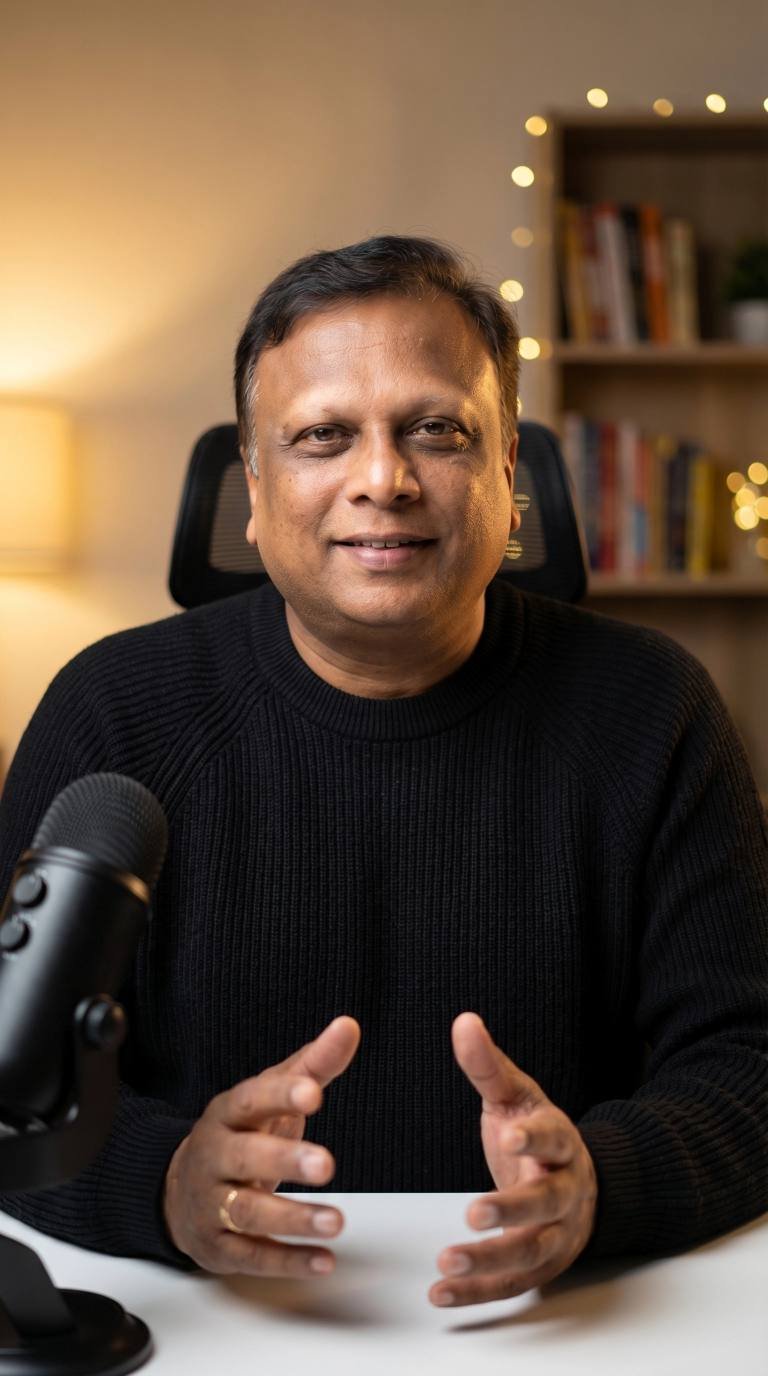
Helping organizations protect their most valuable asset—information—through practical, business-focused cybersecurity, data protection, and privacy consulting.
Security Is About Enabling Business, Not Just Managing Technology
Cybersecurity is often viewed as a technical discipline, but at its core it is about protecting the information that organizations depend on to operate, innovate, and earn the trust of their customers.
Over the course of my career, I have worked with organizations of different sizes and industries, helping them strengthen their security posture, protect sensitive information, improve governance, and implement practical security solutions that align with business objectives.
Technology continues to evolve rapidly—from traditional data centers to cloud-first environments, hybrid workforces, and AI-driven services. While the technology changes, the fundamental challenge remains the same: helping organizations manage risk without slowing innovation.
That philosophy continues to shape the way I approach every consulting engagement.
Experience That Delivers Practical Results
For nearly three decades, I have been involved in designing, implementing, and advising on enterprise technology and information security initiatives. My work combines strategic thinking with hands-on technical expertise, enabling organizations to translate security objectives into practical, measurable outcomes.
Today, I work independently with organizations seeking trusted guidance on cybersecurity strategy, information protection, privacy, governance, compliance, and enterprise security architecture.
Experience Highlights
28+ Years: Information Technology Experience
23+ Years: Information Security Experience
Enterprise Consulting: Security strategy, architecture, implementation, governance, and advisory
Vendor-Neutral Consulting: Recommendations based on business requirements rather than product preferences
My Consulting Philosophy
Strong security programs are built on clear business objectives, effective governance, and practical implementation—not on technology alone. These principles guide every engagement.
Security should support business growth, digital transformation, and innovation rather than becoming an operational obstacle.
The most effective security controls are those that organizations can realistically implement, operate, and continuously improve.
Recommendations should always reflect the client’s objectives, risk profile, regulatory obligations, and existing investments—not vendor marketing.
Security should be viewed as an ongoing capability that matures over time rather than a one-time implementation project.